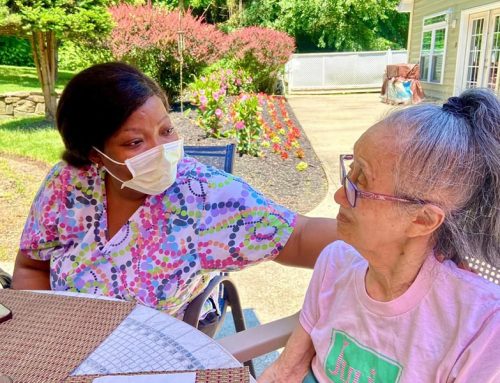
Managing prescriptions can be challenging at any age, but it often becomes more complex later in life. Multiple medications, changing dosages, and varying schedules can turn medication management for seniors into a daily challenge for older adults and the people who care for them.
When memory loss is involved, medication routines become more than an inconvenience. They can pose real safety risks. Missed or double doses, unclear prescription labels, and drug interactions may lead to adverse drug reactions (ADRs), preventable hospital visits, and added stress for families.
The good news is that with the right tools, routines, and support, senior medication management can be safer and more manageable. This guide shares practical strategies for daily medication management for seniors, tips to improve medication adherence, and ways to reduce errors, especially for individuals living with Alzheimer’s disease or other forms of dementia.

Understanding Medication Management for Seniors
Families often ask an important question: What is medication management?
Medication management is the process of organizing, administering, tracking, and reviewing medications to help ensure a person receives the correct medication, at the right dose, at the right time. It also helps reduce risks such as missed or double doses, incorrect medication dosage, and harmful interactions between prescription drugs.
According to the National Institute on Aging, taking medications safely as you age requires a proactive approach to prevent drug interactions and adverse effects.
For many older adults, medication management for elderly individuals includes:
- Keeping a complete and current medication list
- Following consistent medication schedules
- Tracking refills and expiration dates
- Watching for possible interactions and drug-drug interactions
- Monitoring for adverse drug reactions (ADRs) and adverse drug events
- Coordinating medication reviews with healthcare providers
If your loved one takes five or more medications, having a clear system in place becomes especially important. Managing multiple medications and prescriptions without structure can quickly become overwhelming.
Why Medication Safety Gets Harder With Age
Even seniors who have been independent for decades may struggle with medication routines as they age. Common challenges include:
Multiple prescriptions and complex medication regimens
Taking multiple prescriptions increases the risk of confusion. Pills may look similar, instructions may vary, and it becomes easier to take the wrong medication or the wrong dose.
Cognitive decline and memory-related challenges
Memory loss can cause seniors to forget whether they have already taken a dose. This often leads to missed doses or double doses, creating inconsistent medication adherence.
Vision impairment and prescription label confusion
Small print and similar packaging can make prescription labels difficult to read. This increases the likelihood of medication errors or missed instructions. The FDA notes that small print and similar packaging on prescription labels can often lead to confusion, emphasizing that clear communication with your pharmacist is a vital step in senior medication safety.
Caregiver burden and medication stress
Families managing medications for elderly parents often carry a constant mental load: Did they take it? Did they take too much? Did I refill that prescription? This pressure adds up and can contribute to caregiver stress and burnout over time.
Daily Medication Management for Seniors: Systems That Reduce Mistakes
The goal of daily medication management for seniors is simple: reduce confusion, build consistency, and create routines that are easier to follow.
- Build a master medication list.
- Use pill organizers or medication dispensers.
- Anchor medication schedules to daily habits.
- Improve prescription tracking and refills.
- Use gentle reminders when appropriate.
By implementing these core strategies, you create a multilayered safety net that transforms a complex medical regimen into a manageable part of the day.
Preventing Medication Errors, ADRs, and Drug Interactions
Medication mistakes do not always look dramatic. Often, they appear as subtle changes in mood, behavior, or energy.
Common medication mistakes in senior care include:
- Taking the wrong medication
- Taking the right medication at the wrong time
- Taking the wrong dose or repeating a dose
- Skipping medications due to confusion
- Mixing medications that cause interactions
- Taking expired medication
- Misreading prescription labels
As cognitive decline progresses, medication management often becomes a full-time responsibility for families. That is why many families explore dementia care services, where professional oversight and daily structure are built into the routine.
Signs of medication mismanagement in the elderly
Watch for sudden confusion, dizziness, increased falls, unusual fatigue, appetite changes, or worsening symptoms without a clear cause. Older adults are more vulnerable to adverse drug reactions (ADRs), so even subtle changes should be taken seriously. As noted by Medical News Today, signs of mismanagement can be subtle, ranging from dizziness and increased falls to sudden changes in appetite or coordination.
If something feels off, contact a healthcare provider and request a medication review.

Medication Management Assistance for Seniors: When More Support Is Needed
There comes a point when home-based systems may no longer keep a loved one safe. This does not mean anyone has failed; it simply means care needs have changed.
Families often consider medication management assistance for seniors when:
- Missed or double doses occur frequently
- Medication schedules become increasingly complex
- Side effects or adverse reactions increase
- Caregiver stress continues to grow
- Dementia symptoms progress
In structured care settings, medication administration for seniors follows consistent routines, documentation, and oversight, reducing preventable errors and providing peace of mind. Cedar Creek’s approach is rooted in relationship-based care and a supportive home setting.
What Is All-Inclusive Medication Management in Assisted Living?
Families often ask what all-inclusive medication management means in assisted living or memory care.
While services vary, they generally include:
- Safe medication storage
- Consistent medication administration
- Documentation and monitoring
- Observation for side effects or health changes
- Communication with families and healthcare providers
This level of support becomes especially valuable when independent medication management is no longer safe.
Residential Memory Care Medication Safety in Maryland
A calm, residential environment can make medication routines safer and more consistent, particularly for seniors living with dementia. Smaller homes reduce overstimulation and allow caregivers to provide personalized attention.
A small staff-to-resident ratio for medication accuracy helps support consistent routines and reduces preventable mistakes.
Explore Cedar Creek’s Maryland Memory Care Homes
Cedar Creek offers residential memory care homes in Maryland with personalized support, a home-like environment, and a strong focus on daily routines and medication safety:
- Auxiliary House and Hillwood – Bethesda, MD
- Cedar Glen and Maple Ridge – Rockville, MD
- Clifton Woods – Silver Spring, MD
Frequently Asked Questions About Dementia Eyes

A Safer Medication Routine Starts With the Right Support
Medication routines can be stressful, especially when a loved one is managing multiple prescriptions or experiencing cognitive decline. With the right tools, organization strategies, and professional support, medication management for seniors can become safer, more consistent, and less overwhelming.
If you are worried about missed doses, medication errors, or increasing confusion, it may be time to talk with a professional team about next steps. If you have questions or would like to see our community in person, the Cedar Creek team is always happy to help you explore your options. Contact us today!
Sources
- Food and Drug Administration. 5 Medication Safety Tips for Older Adults. U.S. Department of Health and Human Services. https://www.fda.gov/consumers/consumer-updates/5-medication-safety-tips-older-adults
- Medical News Today. Elderly Medication Management: Tips for Older Adults and Caregivers. https://www.medicalnewstoday.com/articles/elderly-medication-management
- National Institute on Aging. Taking Medicines Safely as You Age. U.S. Department of Health and Human Services. https://www.nia.nih.gov/health/medicines-and-medication-management/taking-medicines-safely-you-age