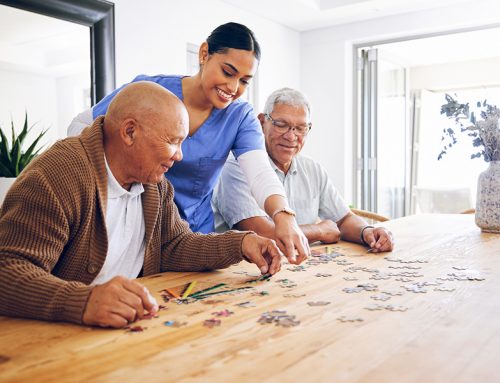
When a loved one is living with dementia, choosing memory care is about more than comparing services on paper. The setting itself can shape how each day feels. For many families, a smaller, more familiar home may offer something a larger facility cannot: a calmer environment that feels easier to understand and more comfortable to live in. Research and practice both support the idea that small house model dementia care can reduce stress, support engagement, and improve quality of life for many people with memory loss.
If you are looking for a more personal approach to memory care, call Cedar Creek Memory Care Homes at (301) 384-4017 or schedule a free tour to see how a smaller, home-like setting may support your loved one’s comfort and well-being.

What Is Small House Model Dementia Care?
Small house model dementia care is an approach that provides support in residential-style homes instead of large, institutional buildings. Rather than housing dozens or even hundreds of residents in one setting, this model centers care in smaller homes with private rooms, shared living spaces, open kitchens, and a daily rhythm that feels more natural and familiar. The goal is not simply to make care look nicer. It is to create an environment that is easier for a person with dementia to navigate and experience with less confusion.
This approach grew out of a broader global shift toward person-centered living in long-term care. In smaller homes, residents are often able to live in a setting that feels less clinical and more like everyday life. That difference matters because dementia affects not only memory, but also attention, sensory processing, and a person’s ability to interpret what is happening around them.
Why Smaller, Familiar Environments Matter in Dementia Care
For someone living with dementia, large and busy environments can be difficult to process. Long corridors, loud dining rooms, frequent staff changes, and crowded common areas may increase confusion or agitation. Smaller homes can reduce that burden by offering fewer people, less noise, more predictable routines, and spaces that are easier to understand at a glance.
This is one of the biggest reasons the small house model stands out. A person who can see the kitchen, recognize the living room, and move through the home more easily may feel safer and more settled. Familiar surroundings can also support emotional comfort. Even when memory changes, the feeling of home, routine, and human connection still matters.
In practical terms, smaller settings may help reduce the triggers that often contribute to distress. Less overstimulation can mean fewer moments of anxiety, less frustration, and a greater ability to participate in daily life. That is why the environment should never be seen as secondary in memory care. It is part of the care itself.
The Science Behind Small House Model Dementia Care
The research supporting small house model dementia care points to several meaningful benefits. Studies connect smaller, residential-scale settings with better mood, lower behavioral distress, increased social engagement, and reduced reliance on psychotropic medications in some cases. The overall pattern suggests that people with dementia often do better in settings that reduce cognitive stress and support more personalized care.
Some of the most relevant research-based benefits include:
- Lower agitation and fewer behavior-related challenges.
- Improved emotional well-being and higher levels of joy.
- Stronger engagement during meals and group activities.
- Higher family satisfaction and peace of mind.
The science also supports a simple truth many families already sense: when the environment is easier to understand, the day can feel easier to live through. That does not mean every person will respond the same way or that no larger setting can provide good care. It means the physical and social environment can have a meaningful influence on how someone with dementia functions and feels.
Want to learn whether a boutique memory care home may be a better fit for your loved one? Call Cedar Creek at (301) 384-4017 or schedule a tour to explore your options.
The Benefits of Boutique Residential Living
Boutique residential living is about more than size. It is about creating a day-to-day experience that feels personal, calm, and human. In a small house setting, residents may wake at a comfortable pace, spend time in a cozy common room, share meals in a more relaxed setting, and interact with caregivers who know their habits, preferences, and personality.
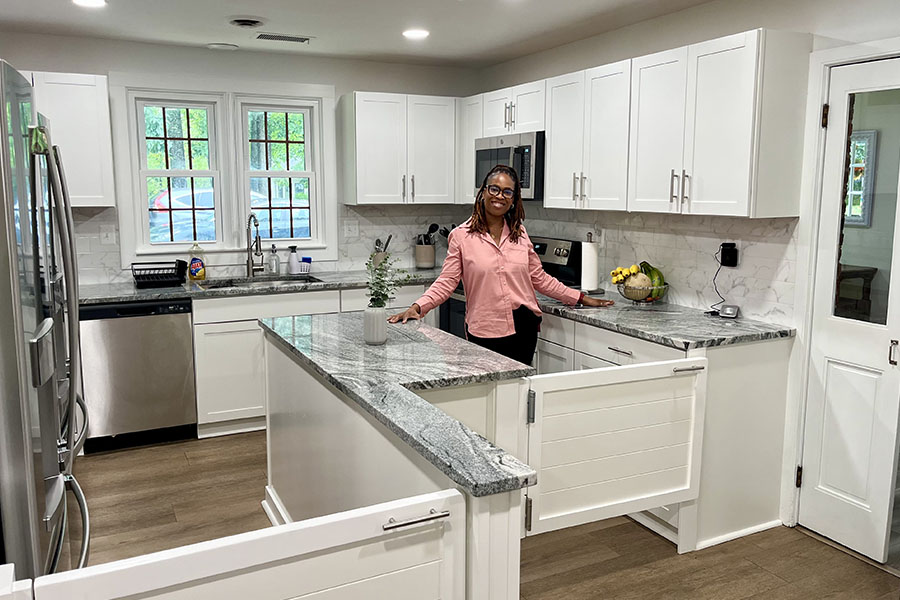
Key design features often include private bedrooms, open kitchens, shared dining areas, comfortable living rooms, and safe outdoor spaces. These features help the home feel less like a facility and more like a place where real life happens. The smell of a meal being prepared, a familiar chair by the window, or a quiet conversation at the kitchen table can all contribute to a greater sense of comfort and belonging.
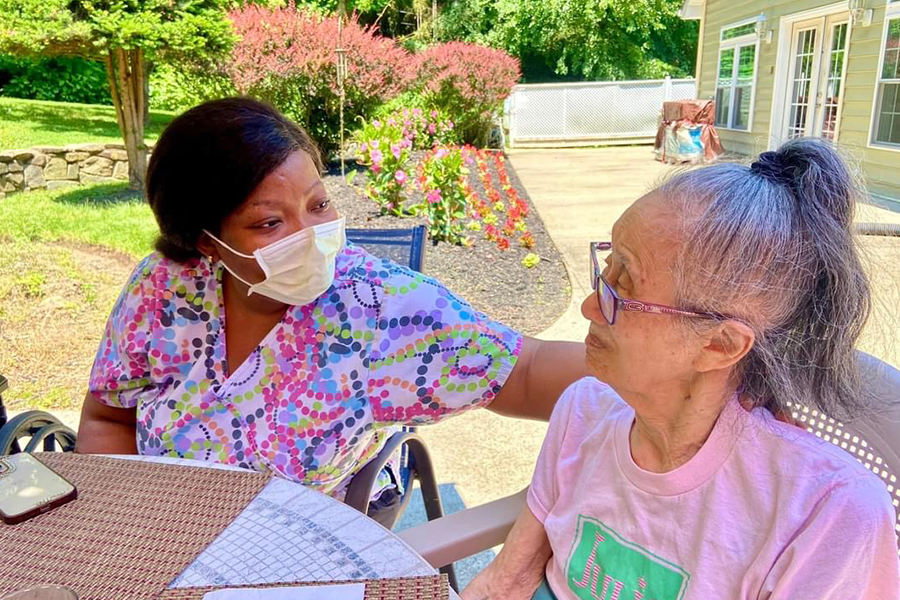
Smaller homes also support stronger relationships. With fewer residents and more consistent staff, caregivers can often spend more meaningful time with each person. That continuity matters in dementia care. A familiar face, a known routine, and a more predictable environment can help residents feel more secure throughout the day.
How This Differs From Traditional Memory Care Settings
Traditional memory care communities and long-term care facilities may offer larger campuses, more amenities, or more centralized services. However, they can also feel more institutional, more crowded, and less personal for someone living with dementia. The small house model offers a different experience by focusing on intimacy, navigability, and relationship-based care.
For many families, the difference becomes obvious during a visit. One setting may feel busy and clinical. Another may feel quiet, warm, and residential. While every family has to weigh many factors, the emotional experience of the environment should be part of that decision. For someone with dementia, that difference is not minor. It can shape daily comfort in very real ways.
How Cedar Creek Brings the Small House Model to Life
Cedar Creek’s approach aligns closely with the benefits families seek in a small house model. Our homes are warm, homelike memory care residences designed to provide personalized support for people living with dementia. We emphasize person-centered care, a residential feel, and settings that help residents feel safe and comfortable in their new home.
Cedar Creek also highlights small-capacity homes, private rooms in all homes, and strong staff-to-resident ratios. We strive to maintain one staff member for every three to four residents during the day in our communities. Those details support the kind of personal attention and continuity that families often want when exploring memory care.
This makes Cedar Creek a natural example of why boutique residential living matters. The goal is not simply to provide care in a smaller building. Our passion is providing compassionate, science-driven support that aligns with modern standards for evidence-based coordinated dementia care. We focus on creating a setting where every resident is truly known and supported in a way that feels personal rather than overwhelming.
Explore Our Boutique Memory Care Homes in Montgomery County
The best way to understand the difference a small house model makes is to see it in person. Cedar Creek offers several intimate, residential homes throughout the area, each providing specialized dementia care services in a familiar neighborhood setting.
-
Auxiliary House (Bethesda): A warm, welcoming environment located in the heart of Bethesda.
-
Hillwood (Bethesda): Offering personalized care and a serene atmosphere for residents in the 20817 area.
-
Cedar Glen (Rockville): A beautiful home-style setting focused on comfort and safety in Rockville.
-
Maple Ridge (Rockville): Specialized memory care tailored to individual needs in a quiet Rockville neighborhood.
-
Clifton Woods (Silver Spring): Combining expert support with a familiar, home-like daily rhythm in Silver Spring.
Related Topics Families Should Explore
The physical environment is just the first piece of the puzzle. Understanding how a residential setting influences daily life can help families make more informed decisions about long-term care. You may find it helpful to explore these related areas:
- Environmental Comfort: Learn why a smaller environment is good for memory care and how it reduces the overstimulation often found in larger facilities.
- Calmer Daily Routines: Discover how choosing a home-like dementia care environment can establish steady, comforting daily patterns and reduce the anxiety often triggered by large, institutional layouts.
- Therapeutic Engagement: Explore how horticultural therapy for seniors and nature-based activities can support mood, boost cognitive reserve, and provide a sense of purpose.
These topics are all part of a broader conversation about how the right environment supports the emotional and physical well-being of those living with memory loss.
Frequently Asked Questions
Choosing a Memory Care Setting With the Whole Person in Mind
The right memory care setting is about more than meeting basic needs. It is about finding a place where your loved one can feel supported, respected, and as comfortable as possible each day. Small house model dementia care offers a research-supported alternative to larger institutional models by combining a home-like environment with more personalized care, calmer surroundings, and stronger day-to-day relationships.
For many families, that combination can make a meaningful difference. It can help turn memory care from something that only feels necessary into something that also feels thoughtful and compassionate.
If you are exploring memory care for a loved one, call Cedar Creek Memory Care Homes at (301) 384-4017 or schedule a free, no-obligation tour to see whether a boutique residential setting is the right fit for your family.
Sources
- Alzheimer’s Disease International. (2024). World Alzheimer Report 2024: Reimagining life with dementia. https://www.alzint.org/resource/world-alzheimer-report-2024/
- Aparicio, M., & Rodriguez-Viñals, R. (2021). Homelike models of long-term care: A 2021 update. National Center for Biotechnology Information (NCBI). https://pubmed.ncbi.nlm.nih.gov/34293021/
- Centers for Medicare & Medicaid Services. (n.d.). The GUIDE Model (Guiding an Improved Dementia Experience). U.S. Department of Health and Human Services. https://www.cms.gov/priorities/innovation/innovation-models/guide