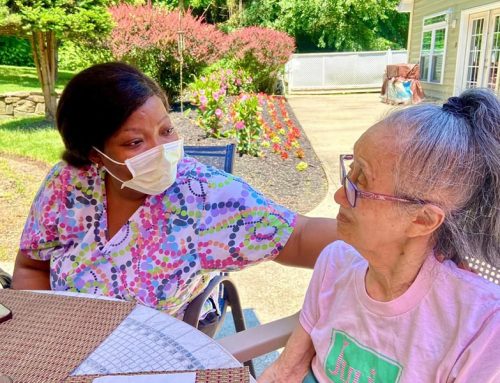
Forgetting where you left your keys or missing an appointment happens to everyone. But when you start asking yourself, “Why can’t I remember anything?” more often, it can spark genuine concern. Occasional forgetfulness can be normal, but persistent memory issues may signal something more serious.
At Cedar Creek, we understand how worrying these changes can feel. Our goal is to help families distinguish between typical aging and early signs of dementia-related conditions while offering compassionate guidance that restores peace of mind.
If you’ve noticed increasing forgetfulness in yourself or a loved one, here’s what might be happening and how to respond with care and confidence.

What Does It Mean When You Keep Asking, “Why Can’t I Remember Anything?”
Memory loss can have many causes, from everyday distractions to underlying health concerns. Most of the time, forgetfulness results from stress, fatigue, or multitasking because your brain simply has too much to juggle.
However, when memory lapses become frequent or interfere with daily life, they may indicate an underlying issue. According to the National Institute on Aging (NIA), mild forgetfulness is common, but significant or sudden changes should be evaluated by a healthcare provider.
Common non-medical triggers include:
- Sleep deprivation
- High stress levels
- Depression or anxiety
- Medication side effects
- Poor nutrition or dehydration
Still, chronic forgetfulness should not be dismissed. It may be your brain’s way of asking for attention.
Normal Forgetfulness vs. Early Signs of Dementia
It is easy to confuse normal aging with early cognitive decline. Everyone experiences slower recall with age, but dementia involves more serious disruptions to memory, reasoning, and daily function.
Normal, age-related memory lapses:
- Forgetting recent conversations but recalling them later
- Misplacing items occasionally
- Taking longer to learn new things
Possible signs of dementia or mild cognitive impairment (MCI):
- Repeating the same questions often
- Difficulty managing familiar tasks, such as cooking or paying bills
- Confusion about time or place
- Personality or mood changes
The Alzheimer’s Association notes that early detection and diagnosis are crucial for planning and support.
If these signs sound familiar, consider exploring Cedar Creek’s Dementia Care, personalized care provided in intimate, home-like settings designed to offer safety, familiarity, and comfort for every stage of dementia.
What Causes Memory Loss in Adults?
The question “Why can’t I remember anything?” often points to a mix of medical, emotional, and lifestyle factors.
Medical Conditions and Short-Term Memory Loss
Some health conditions directly affect brain function and memory, including:
- Alzheimer’s disease and vascular dementia
- Thyroid disorders
- Vitamin B12 deficiency
- Sleep apnea
- Head injury or stroke
Research from the Mayo Clinic explains that even small health imbalances can interfere with how memories are formed and retrieved.
Emotional and Mental Health Factors
Depression, anxiety, and chronic stress can cause “brain fog” that affects focus and recall. Over time, high levels of cortisol, the stress hormone, can even disrupt the hippocampus, the brain’s memory center.
Medications and Lifestyle Influences
Certain prescription drugs, such as sleep aids or antidepressants, can cause forgetfulness as a side effect. Likewise, alcohol use, poor diet, and inactivity can make you feel like you are “forgetting everything suddenly.”
If these issues persist, it is important to consult a healthcare provider who can help identify reversible causes.

Why Can’t I Remember Anything From Yesterday? The Role of Stress, Sleep, and the Brain
If you have ever woken up wondering, “Why can’t I remember anything from yesterday?” the culprit might be poor sleep or overwhelming stress.
When you do not get enough rest, your brain struggles to consolidate new memories. Studies from the National Institutes of Health (NIH) show that quality sleep plays a vital role in memory retention and learning.
Similarly, chronic stress floods the body with cortisol, which impairs the hippocampus, the brain’s memory center.
To support healthy memory:
- Get 7–8 hours of sleep each night
- Eat brain-boosting foods such as leafy greens, berries, and omega-3-rich fish
- Practice mindfulness or gentle exercise
- Stay socially connected and mentally active
At Cedar Creek, residents benefit from daily routines, calm surroundings, and activities designed to nurture emotional balance and cognitive well-being, all within familiar, home-like environments across Maryland.
When Should You Seek Professional Help for Memory Loss?
You do not need to wait for severe symptoms before consulting a healthcare provider. Early evaluation often helps preserve quality of life.
Consider professional support if you or your loved one:
- Frequently forget familiar people or places
- Experience confusion or disorientation
- Have trouble completing familiar tasks
- Show mood or behavioral changes
For families needing short-term relief, Cedar Creek offers Respite Care, a compassionate option that provides rest for caregivers while ensuring loved ones receive expert attention in a safe, nurturing home.
Supporting a Loved One Through Memory Changes
Watching a loved one experience memory loss can be emotional and overwhelming. Patience, empathy, and consistency make all the difference.
Ways to support your loved one:
- Keep a consistent daily routine
- Use visual reminders such as labels, calendars, and photos
- Encourage light exercise and meaningful engagement
- Avoid arguments over forgotten details
- Celebrate small victories
At Cedar Creek, our specialized staff adapts to the changing needs of each resident. With small home settings such as Auxiliary House in Bethesda, Cedar Glen and Maple Ridge in Rockville, Clifton Woods in Silver Spring, and Hillwood in Bethesda, each location provides a warm, familiar setting that truly feels like home.
Finding Hope and Support on the Journey Ahead
Memory loss can feel frightening, but it does not always mean dementia. Many causes are reversible, and even when they are not, compassionate care and early support can bring comfort and dignity.
At Cedar Creek, every residence is a thoughtfully converted home where individuals can live safely and meaningfully. Our model embraces routine, familiarity, and emotional support for every stage of dementia.
If you have been asking, “Why can’t I remember anything?” you are not alone. We are here to help you find clarity, reassurance, and a path forward.
Contact Cedar Creek today to schedule a visit or learn more about our personalized dementia care homes in Maryland.
Frequently Asked Questions About Dementia Progression
Sources
- Alzheimer’s Association. (n.d.). 10 early signs and symptoms of Alzheimer’s. Alzheimer’s Association. https://www.alz.org/alzheimers-dementia/10_signs
- Mayo Clinic. (n.d.). Memory loss (amnesia): Symptoms and causes. Mayo Foundation for Medical Education and Research. https://www.mayoclinic.org/diseases-conditions/memory-loss/symptoms-causes/syc-20353159
- National Institute on Aging. (n.d.). Memory loss, forgetfulness, and aging: What’s normal and what’s not. U.S. Department of Health & Human Services. https://www.nia.nih.gov/health/memory-loss-forgetfulness-and-aging
- National Institutes of Health. (2021, March 15). How sleep consolidates memory. U.S. Department of Health & Human Services. https://www.nih.gov/news-events/nih-research-matters/how-sleep-consolidates-memory